The golden age of Johto collecting.
From the first HeartGold & SoulSilver packs to the last extraordinary shinies of Call of Legends, rediscover an era of beautifully illustrated Pokémon cards that still rewards a closer look.

Johto’s second great beginning.
In 2010, the English Pokémon TCG entered an era inspired by the HeartGold and SoulSilver video-game remakes. Its identity was instantly recognisable: classical Johto Pokémon, silver-and-gold motifs and collectible card treatments unlike the sets immediately before it.
For collectors, the attraction goes beyond nostalgia. This was a period when the artwork itself became a reason to build a collection: expansive two-card illustrations, distinctive textured-looking foil treatments, striking full-card compositions and unusual secret cards. Whether your personal favourites are Lugia, Ho-Oh, Umbreon or the legendary beasts, there is a coherent visual story running through the releases.
The four core English expansions launched from February to November 2010. Call of Legends followed in February 2011 as a closely related but separately coded collection. Some catalogues group it into the wider HeartGold & SoulSilver era; this page keeps that distinction explicit.
Every set has a story.
Explore the four HeartGold & SoulSilver expansions and their Call of Legends companion. Each card below leads to a dedicated English-language collection page on Trading Card Game Store.
HeartGold & SoulSilver
A return to Johto, with richly illustrated Pokémon Prime, spectacular two-card LEGEND Pokémon and the first distinctive Alph Lithograph.
Collector’s note: A superb starting point for collectors who love Lugia, Ho-Oh, the Johto starters and the visual language of the original generation-two adventures.

HS—Unleashed
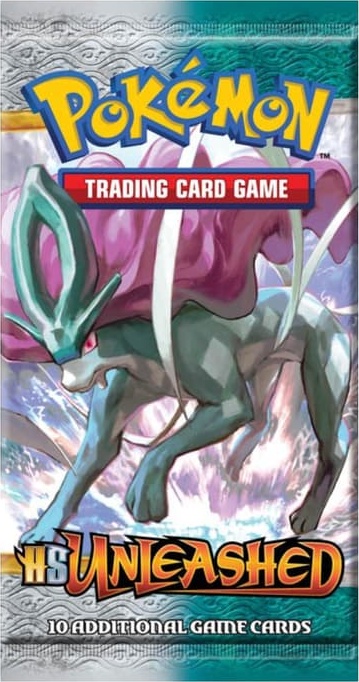
The legendary beasts step into the spotlight through memorable booster artwork and evocative two-card LEGEND pairings.
Collector’s note: An appealing expansion for collectors pursuing Entei, Raikou and Suicune as characters, as well as the intricate design of Pokémon Prime.

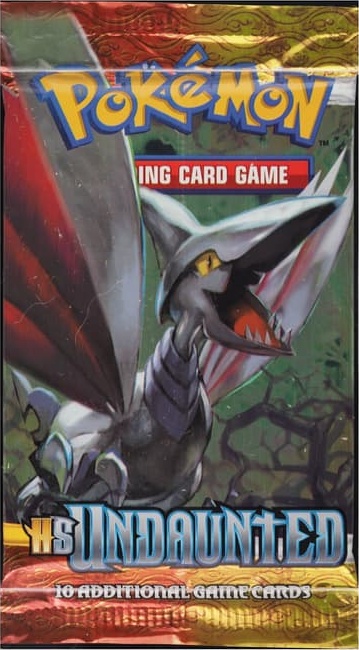
HS—Undaunted
A set with a striking contrast between familiar Eeveelutions, darker tones and legendary pairs including Rayquaza & Deoxys.
Collector’s note: Especially interesting to species collectors looking for Umbreon and Espeon Prime, and to collectors of dramatic LEGEND illustrations.

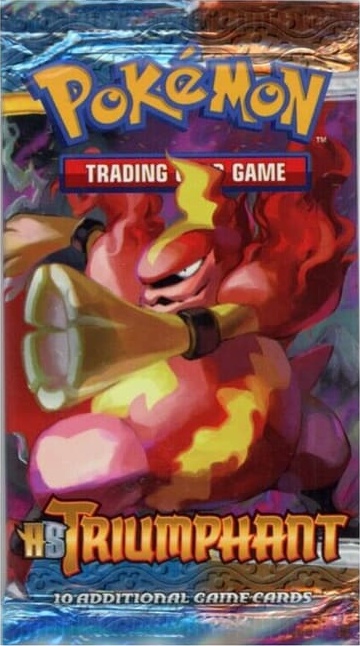
HS—Triumphant
The concluding core HeartGold & SoulSilver expansion, remembered for standout Pokémon Prime, the final LEGEND pairings and bold booster designs.
Collector’s note: Gengar Prime and Mew Prime make this an important stop for collectors tracing distinctive card treatments across the era.
Legends
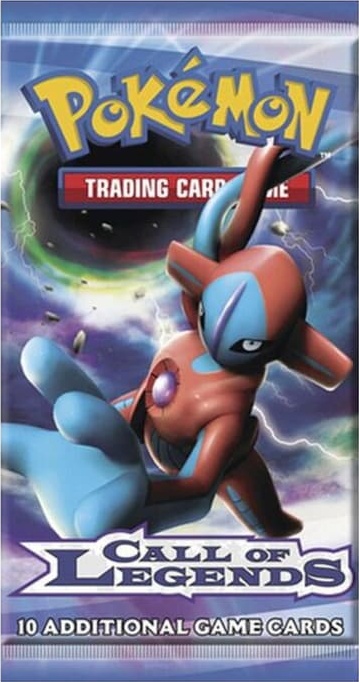
Call of Legends
A standalone companion set frequently grouped with the HeartGold & SoulSilver era, famous for eleven striking shiny legendary Pokémon numbered SL1–SL11.
Collector’s note: The SL-numbered cards are a compelling specialist chase. Call of Legends is treated here as a companion, not incorrectly labelled HGSS5.
Five reasons this era stands apart.
Distinctive character portraits.
Pokémon Prime cards are immediately recognisable by their stylised presentation, close-up character art and distinctive foil treatment. Collectors often build Prime subsets spanning multiple expansions, with fan-favourites including Umbreon, Espeon, Gengar and Mew.
When inspecting a Prime, pay close attention to foil scratches, edge whitening and surface impressions; attractive centring alone does not make a card high grade.
One scene. Two cards.
LEGEND Pokémon pair an upper and a lower card to form one sweeping illustration. The upper and lower halves have separate card numbers and should be catalogued individually, even when displayed together.
A complete matched pair can be a captivating binder centrepiece. Check that both halves are from the correct set and that their condition is reasonably consistent.
Unusual secret-card design.
Each core HeartGold & SoulSilver expansion contains an Alph Lithograph card. Its cryptic visual style makes it easy to overlook when building a checklist from only the main numbered run.
For collectors, these offer a themed four-card mini-collection with an identity entirely different from standard Pokémon portraits.
The eleven shiny legends.
Call of Legends features an SL-numbered group of shiny legendary Pokémon. These have their own numbering sequence from SL1 to SL11 and are not interchangeable with the ordinary numbered cards.
Because sought-after SL cards are vulnerable to condition-driven price differences, comparing the exact print, surface and grade matters more than relying on a generic listing title.
The wrapper is part of the history.
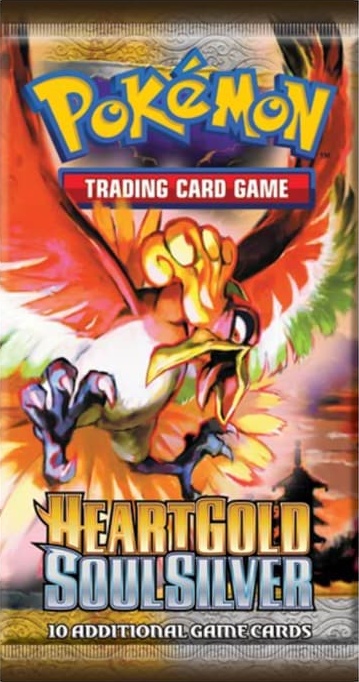
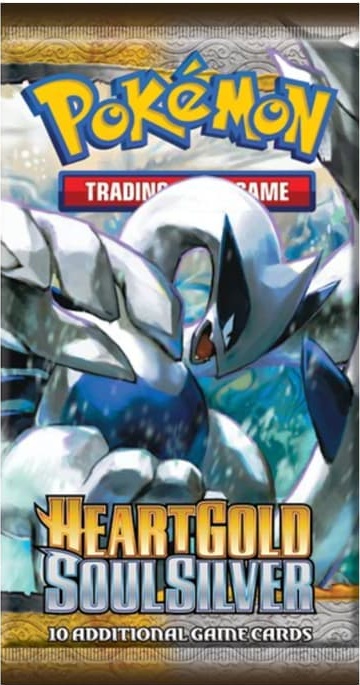
Even collectors who never open a pack may appreciate the visual progression from Ho-Oh and Lugia to the legendary beasts, then to Rayquaza, Dialga and Palkia. Sealed packs can be collected as art variants, but wrapper artwork alone does not guarantee untouched contents.
For older sealed products, verify crimping, seams, pack condition, provenance and seller reputation before assigning value.
The Johto wrapper gallery.
Explore a curated gallery of English booster artwork from all five releases. Each design is included as a historical visual reference, not an assertion that sealed inventory is currently available.
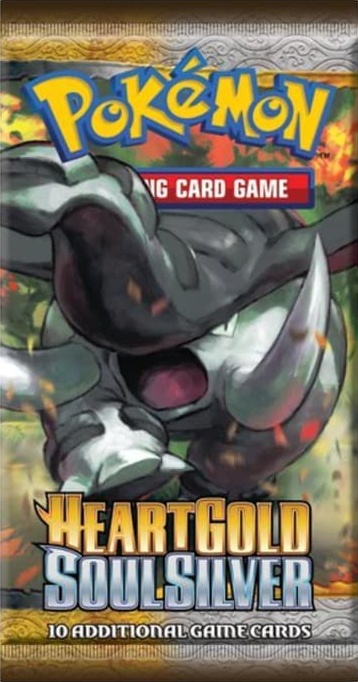
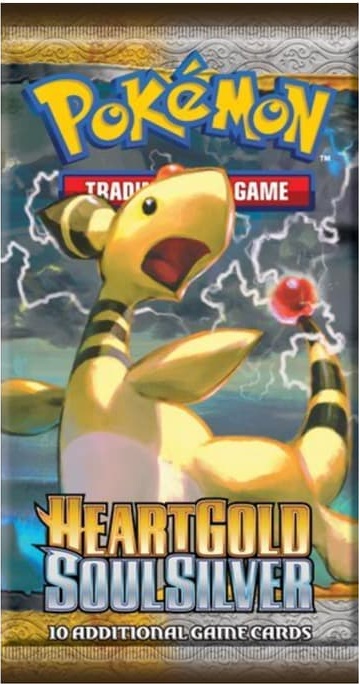
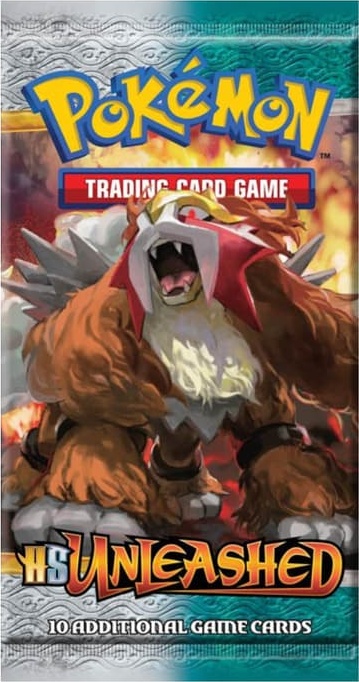
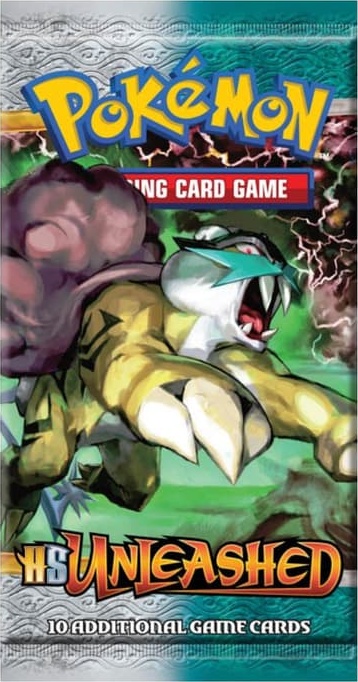
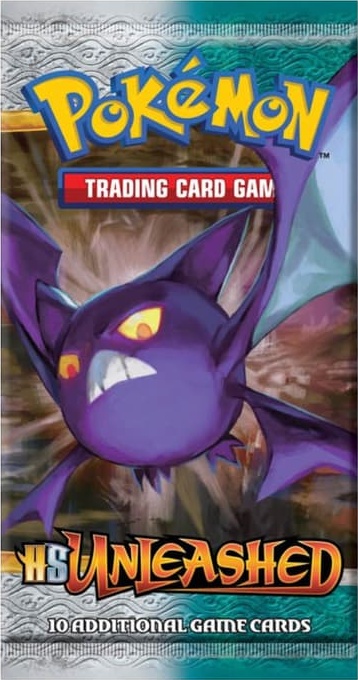
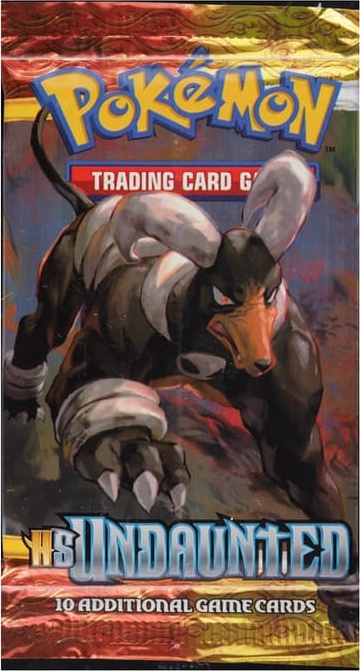
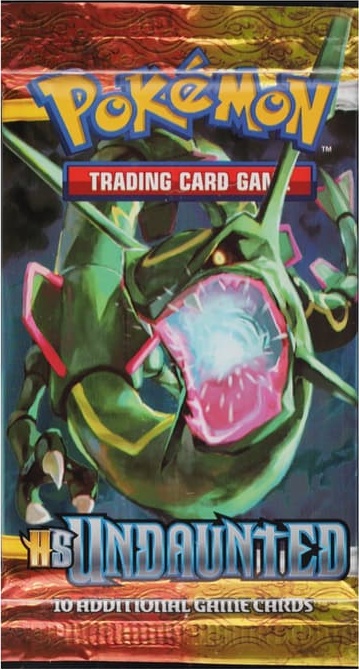
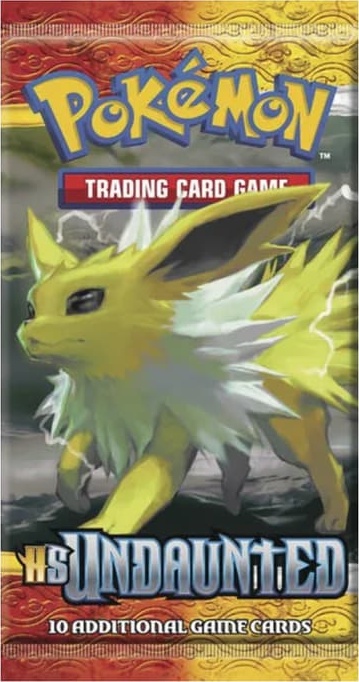
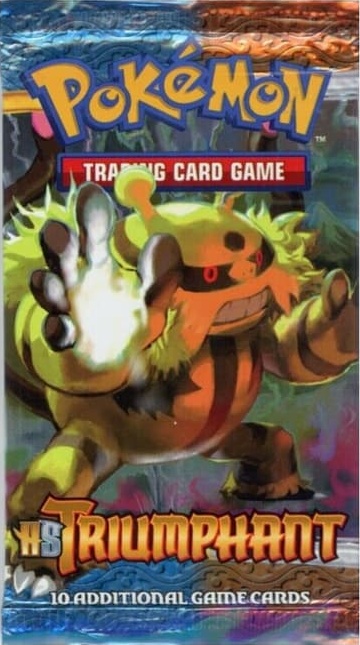
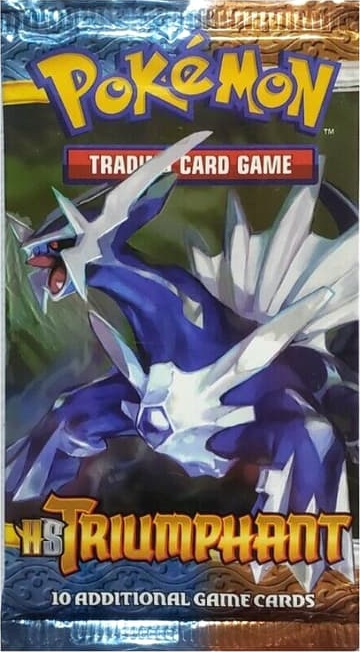
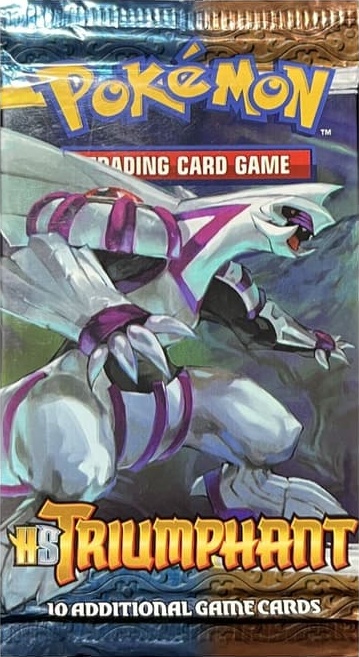
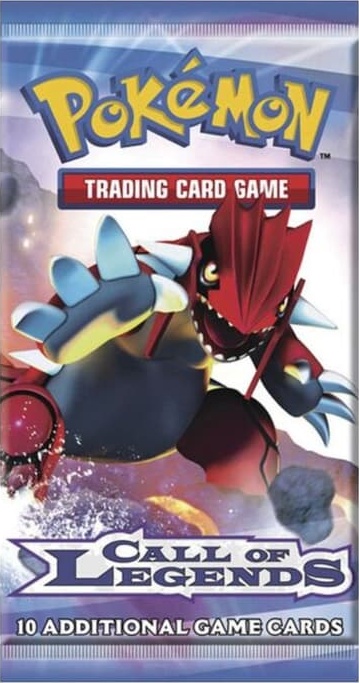
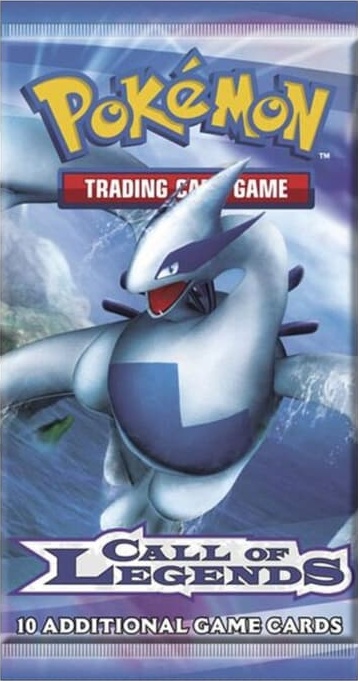
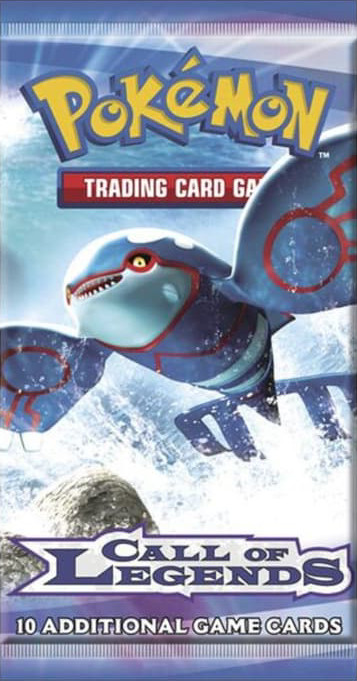
Artwork is displayed for historical and educational reference. Image availability depends on its original hosting provider. All clickable links in this page remain within tradingcardgamestore.co.uk.
How to collect with confidence.
The most rewarding HeartGold & SoulSilver collection is not necessarily the most expensive. It is the one whose checklist, card variants and condition standards you understand before buying.
Choose a collecting objective
Build a numbered base set, a complete master set including secrets, a Prime subset, every LEGEND pair, or a character-led collection. Define the scope before comparing prices.
Confirm card identity
Match the set symbol, card number, language, finish and—where relevant—upper or lower LEGEND half. A similarly named Japanese card is not an English print.
Inspect condition honestly
Check front and back under diffuse light. Watch for scratches in dark foil, edge whitening, corner nicks, pressure marks, bends, creases and poor centring.
Understand prices
Use recent comparable sales of the exact variant and grade. Seller asking prices are not completed transactions, and unusually high listings do not establish market value.
Protect original finishes
Use clean sleeves and suitable archival binders or rigid holders. Keep cards away from moisture, direct sunlight, heat and pressure from overfilled pages.
Check provenance
For expensive singles and vintage sealed packs, review clear photographs, seller history and return terms. Treat authentication and grading as evidence, not an automatic guarantee of future value.
A checklist with explicit rules.
Collectors use the phrase “master set” differently. Some include reverse holos, secret cards and all pack-issued finishes; others add promotional versions and related products. State your checklist criteria to avoid missing cards or buying duplicates.
Consider the entire cost.
Third-party grading may help document condition and authenticity, but submission fees, postage, insurance and the possibility of a disappointing grade all matter. The best choice depends on the card, your goals and its actual condition.
Explore the complete English era.
Search the expansion guide and related English releases. Every destination below comes from your published WordPress page export; no URL is guessed from a title.
No matching collections. Try a shorter name or clear the filters.
Questions worth asking.
How many sets belong to the English HeartGold & SoulSilver Series?
There are four core expansions: HeartGold & SoulSilver, Unleashed, Undaunted and Triumphant. Call of Legends followed in February 2011 and is commonly grouped with the wider era, although it has a separate set code.
Are English and Japanese HeartGold & SoulSilver cards identical?
No. Set composition, release timing, card numbering and distribution can differ. For an English collection, always check language, symbol and printed card number rather than assuming that a Japanese release maps one-to-one.
What is a Pokémon LEGEND pair?
A two-card illustration printed across an upper and lower half. To own a complete pair, you need both correct parts; each remains a distinct physical card and checklist entry.
What should I look for when buying a Pokémon Prime card?
Confirm the correct set and number, then examine foil surface, corners, edges, centring and any indentations. Photos taken at an angle can be useful for identifying scratches and other surface imperfections.
Why do Call of Legends shiny cards use SL numbers?
The shiny legendary cards form a separately numbered subset running from SL1 through SL11. Their special numbering is part of their collectible identity and should be recorded alongside the regular set cards.
Does an old booster pack guarantee a rare card?
No. Collectible wrappers do not guarantee a particular pull. Sealed packs also require careful examination for tampering, altered seals and product authenticity.
Are the prices on this website guaranteed current?
No. Reference values and retailer listings can change. Always confirm the exact card, finish, condition, price and availability with the retailer before purchasing. This guide does not show speculative or invented valuations.
Every card carries a chapter of Johto.
Explore the original English releases, discover the companion shiny collection, and follow your favourite Pokémon across the wider English collecting archive.
Research approach: expansion dates, card numbering and release classification checked against published Pokémon TCG set histories; artwork and page destinations matched against the site’s supplied asset inventory and WordPress export. We do not claim to have personally graded or handled every card shown. Pokémon names, artwork and trademarks remain the property of their respective owners. This independent guide is not an official Pokémon publication. Some other website pages may contain retailer referral links.